





2025 Meeting the Challenge Summit!
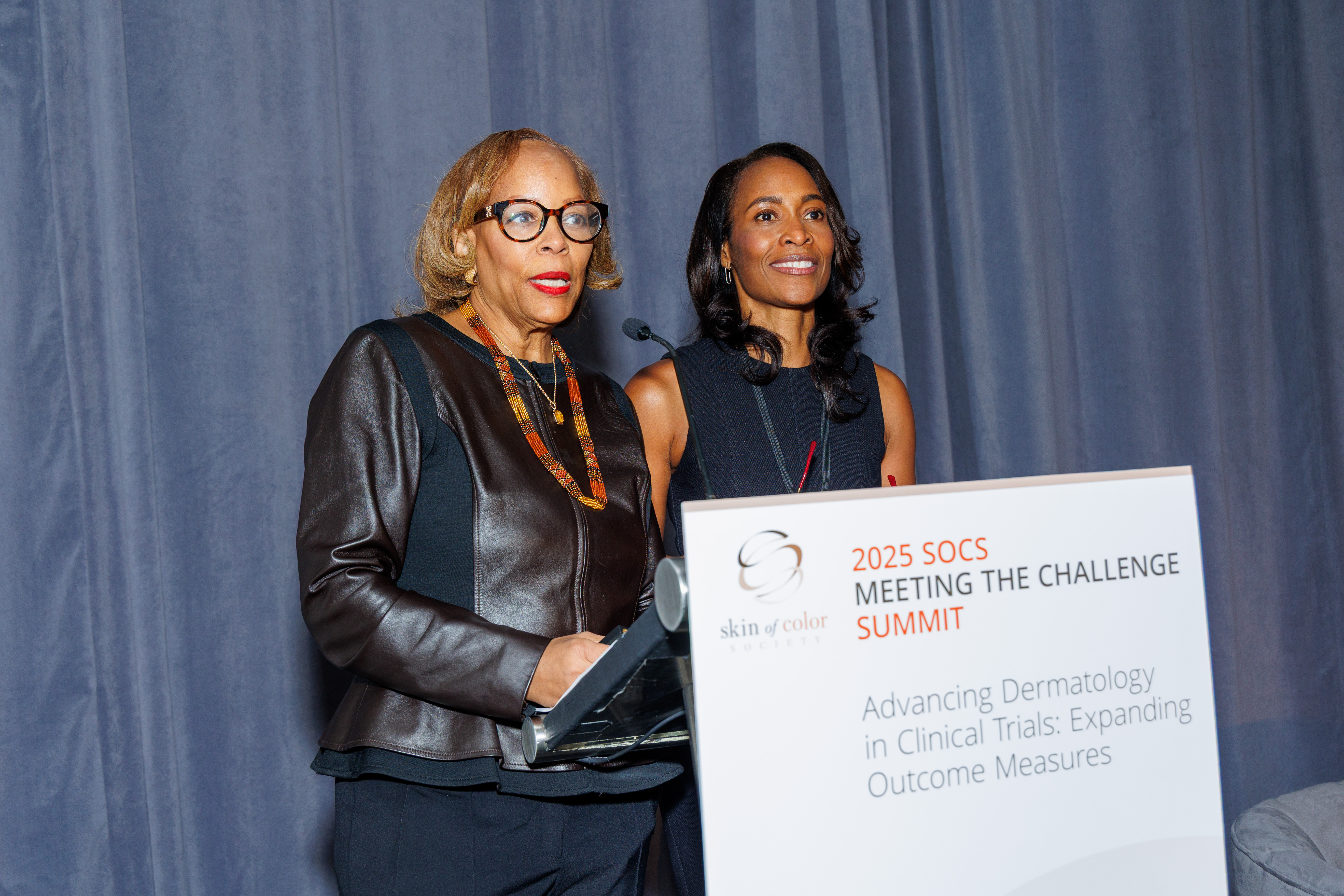
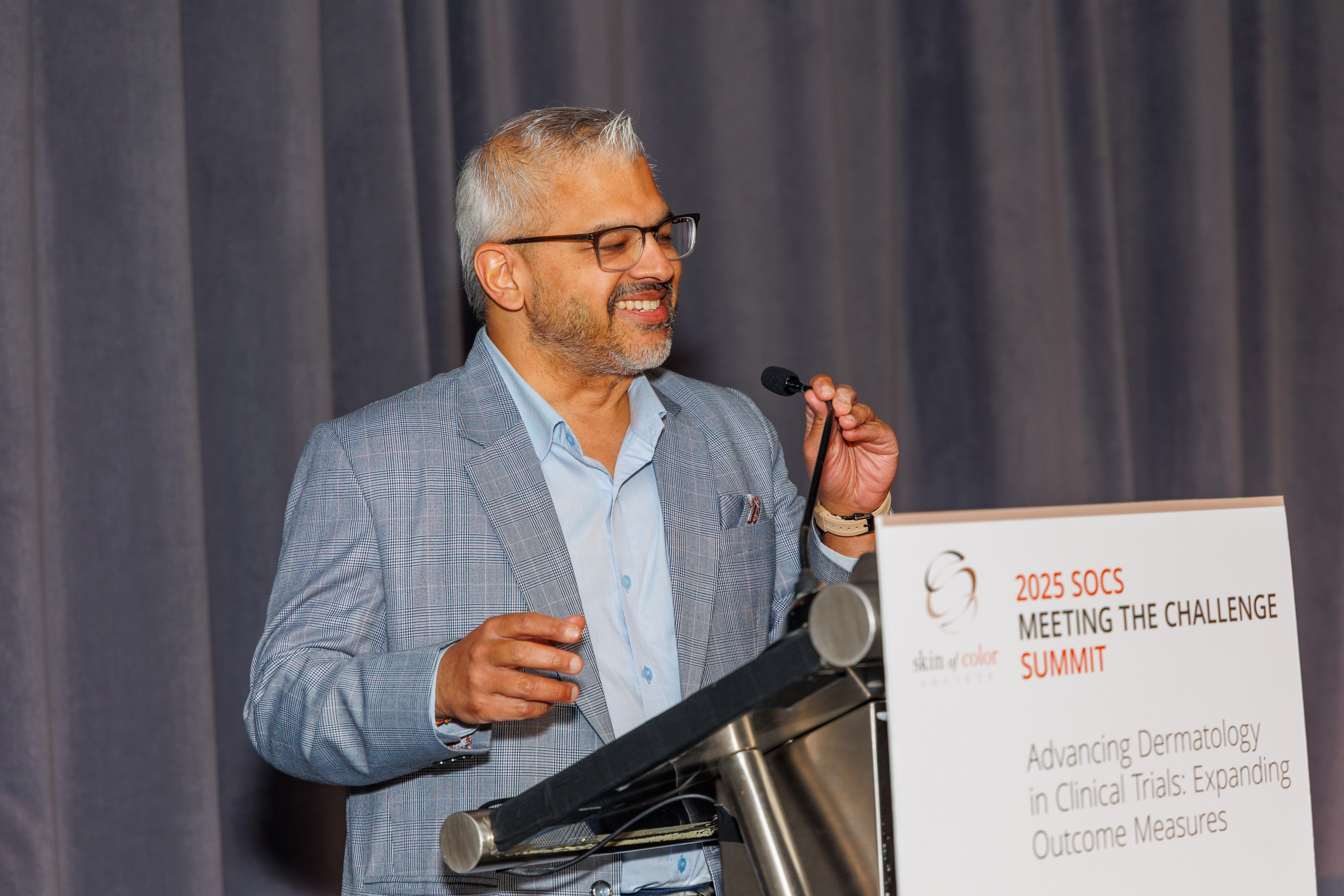
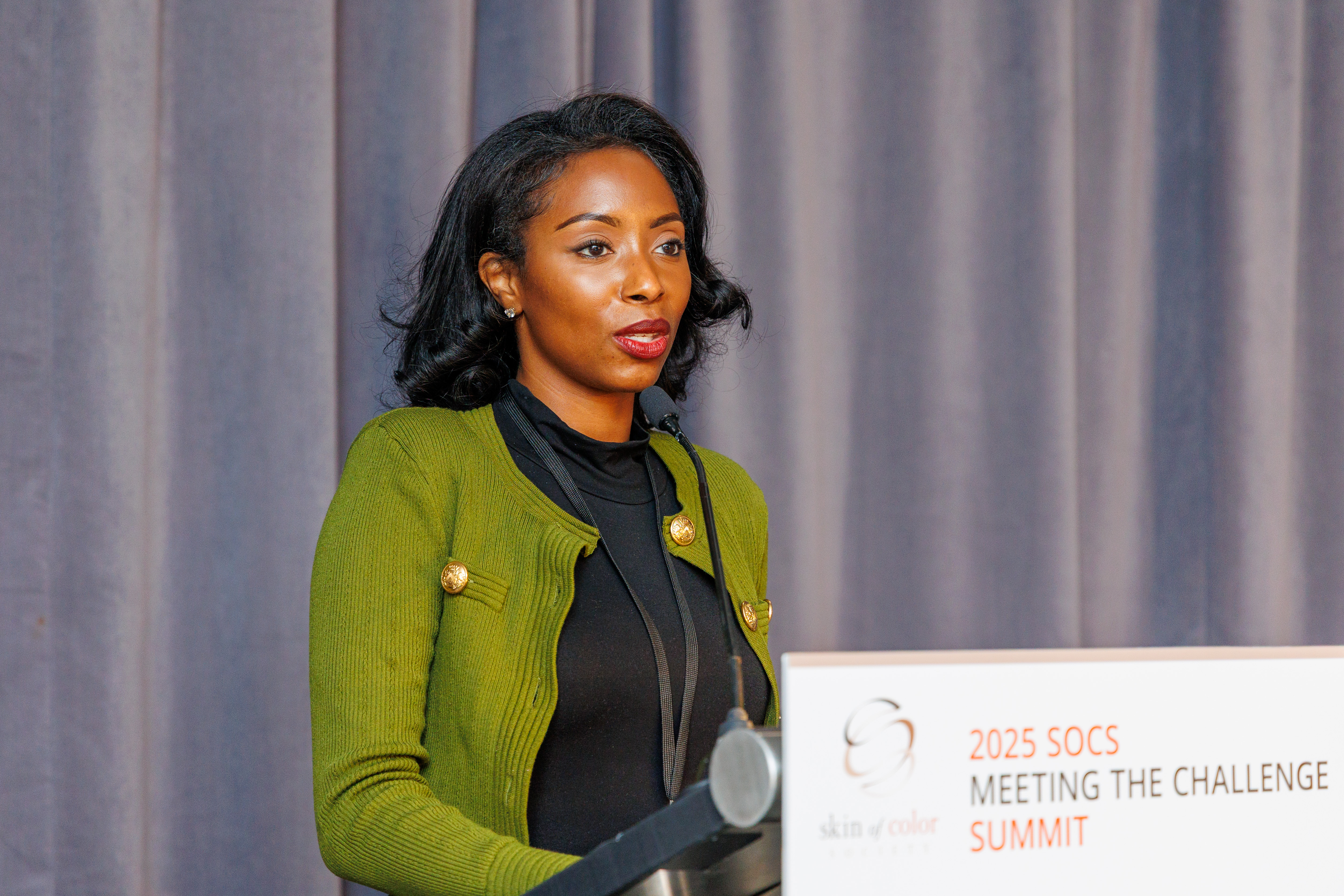
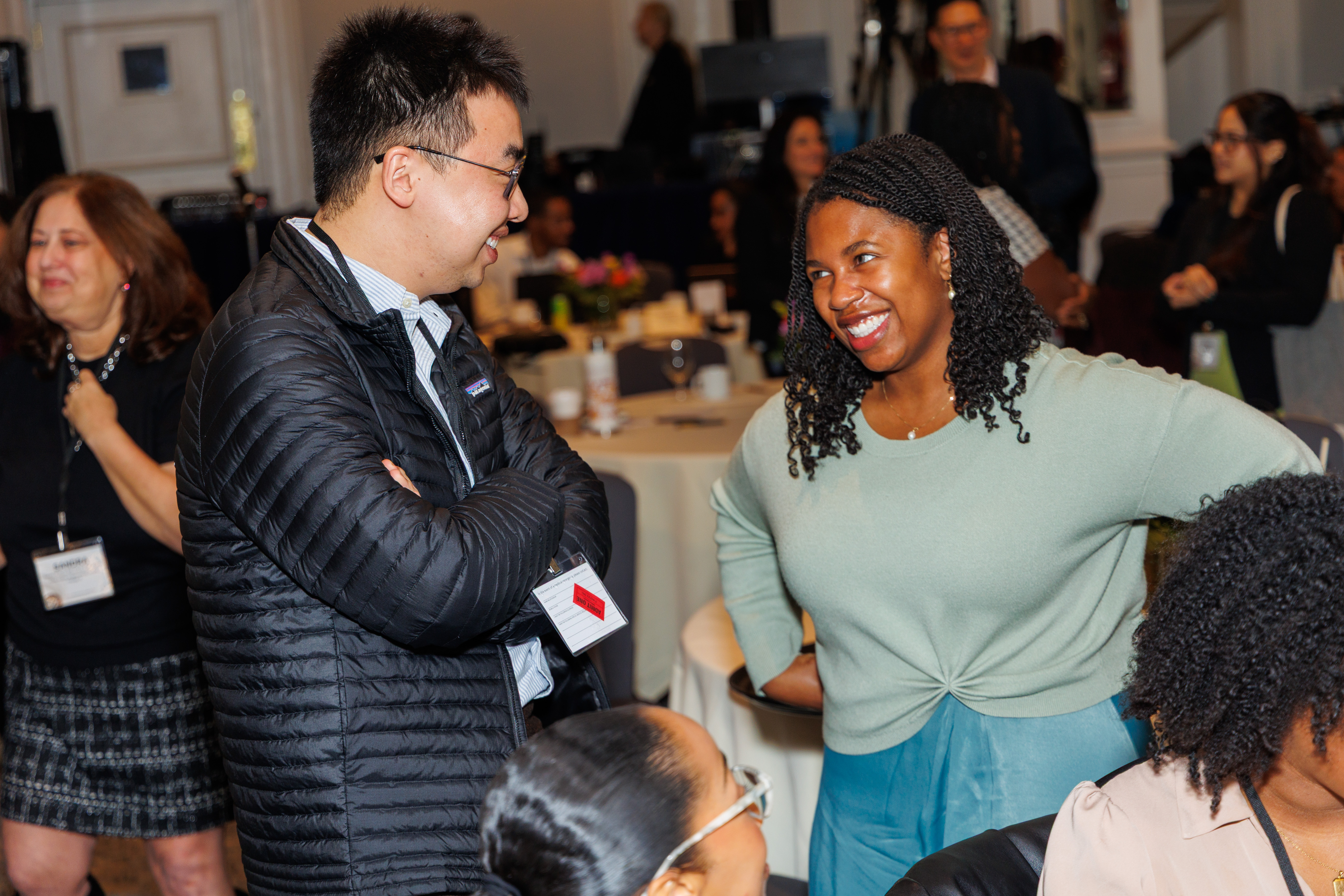
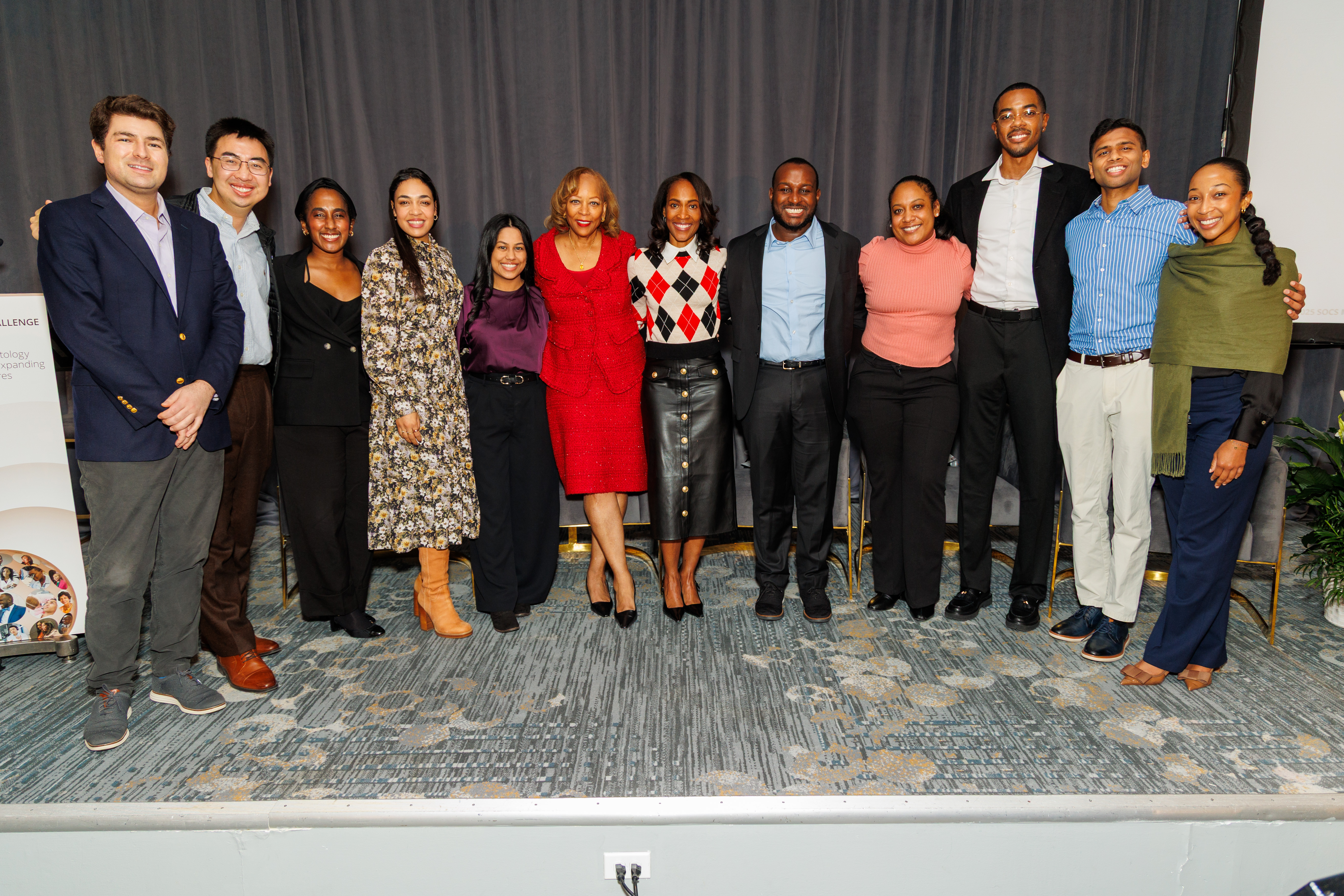
Thank you for joining us at the 2025 SOCS Meeting the Challenge Summit, Advancing Dermatology in Clinical Trials: Expanding Outcome Measures on December 5-6, 2025 at the Mayflower Hotel in Washington, DC.
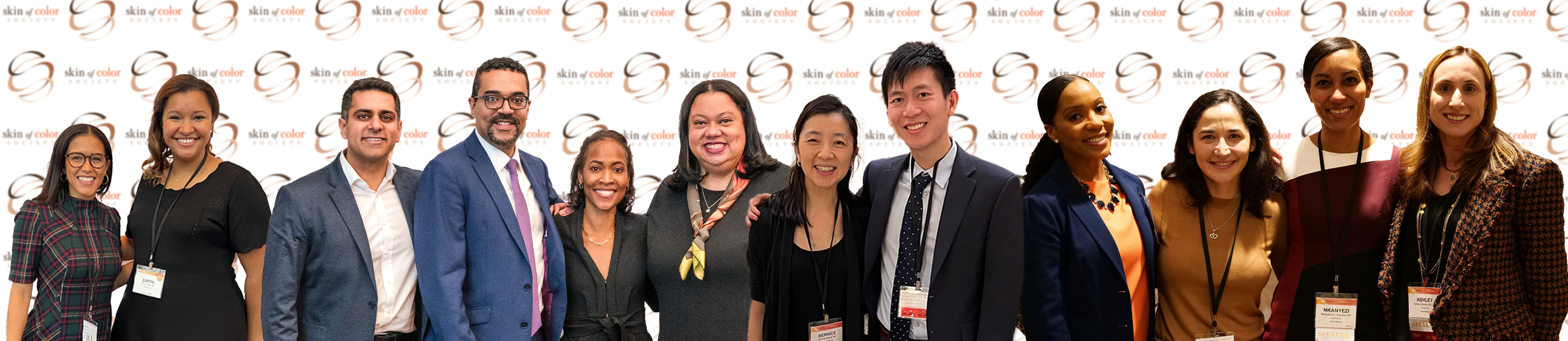
This summit provided stakeholders a valuable opportunity to share and enhance their knowledge, exchange information on broadening clinical trial representation, and engage in networking and collaboration.
The Summit focused on patient-reported outcome measures and clinical trial design, emphasizing integrating patient experiences, particularly across various backgrounds, into dermatologic research. The program explored best practices in trial design and outcome measurement, and discussed diseases that are inadequately represented in clinical trials. Key discussions centered on how to make clinical trials more representative and impactful, prioritizing patient voices throughout the research process to drive better outcomes in patient care.
Click the buttons below to see the photos from the event:
Click a tab below for more info:
- Keynote Speaker
- Agenda Overview
- Program
- Registration
- Faculty
- Venue
- Industry Panel
- Sponsorship
- Resident Travel Grant
- Our Committee
- Publications
KEYNOTE SPEAKER
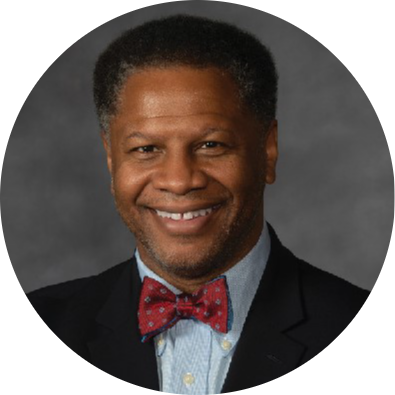
Robert A. Winn, MD
Director and Lipman Chair in Oncology, VCU Massey Comprehensive Cancer Center
Senior Associate Dean for Cancer Innovation and Professor of Pulmonary Disease and Critical Care Medicine, VCU School of Medicine
President, American Association of Cancer Institutes
As director of Virginia Commonwealth University Massey Comprehensive Cancer Center, Robert A. Winn, M.D., leads the nation in optimizing cancer health care outcomes for all and spearheading interdisciplinary approaches to cancer disparities research. Just the fourth director of Massey since its 1975 National Cancer Institute designation, Winn oversees a center of nearly 150 scientists and clinical investigators.
Dr. Winn is nationally recognized for his community engagement efforts in promoting new approaches to building trust and increasing awareness for cancer research, screening, prevention, treatment, and survivorship, including the Robert A. Winn Excellence in Clinical Trials Award Program, a $114 million training and education program in partnership with the Bristol Myers Squibb Foundation dedicated to increasing participation and representation in clinical trials, and the nationally heralded Facts & Faith Fridays conversation series.
Agenda – December 5-6, 2025
Friday, December 5, 2025
3:00 PM - 8:00 PM ET
| Welcome Valerie Callender, MD, FAAD and Valerie Harvey, MD, MPH, FAAD |
| Meeting the Challenge: Celebrating Milestones, Achievements & Mentorship Valerie Callender, MD, FAAD, Valerie Harvey, MD, MPH, FAAD, Tarannum Jaleel, MD, FAAD, Hope Mitchell, MD, FAAD, & Amit Garg, MD, FAAD |
| Expanding Outcome Measures: Where we are, where we need to go Amit Garg, MD, FAAD |
| Thoughts from a Regulatory Dermatologist Markham C. Luke, MD, PhD, FAAD |
| Beyond Race and Ethnicity Robert A. Winn, MD with Candrice R. Heath, MD, FAAD & Angel S. Byrd, MD, PhD |
| Advancing Patient Advocacy and Community Engagement Physician Panel: Angel S. Byrd, MD, PhD, Mya L. Roberson, MSPH, PhD & Junko Takeshita, MD, PhD, MSCE, FAAD Patient Advocate Panel: Jarrett Brown & Donna Atherton Moderators: Prince Adotama, MD & Elizabeth Kiracofe, MD |
| Welcome Reception (6:30 PM - 8:00 PM) |
Saturday, December 6, 2025
7:00 AM - 5:00 PM ET
| Breakfast (7:00 AM - 8:00 AM) |
| Welcome Remarks Nada Elbuluk, MD, MSc, FAAD |
| Keynote Speaker Robert A. Winn, MD |
| Examining strategies and solutions to overcome underrepresentation in clinical trials Seemal R. Desai, MD, FAAD, Cheri Frey, MD, FAAD, Tiffany Mayo, MD, FAAD, Amy McMichael, MD, FAAD, & Mya L. Roberson, MSPH, PhD Moderator: Tarannum Jaleel, MD, MHSc, FAAD |
| Delving Deeper into Outcome Measure Andrew F. Alexis, MD, MPH, FAAD, Tarannum Jaleel, MD, MHSc, FAAD, Kanade Shinkai, MD, PhD, FAAD, & Victoria P. Werth, MD, FAAD Moderator: Amy J. McMichael, MD, FAAD |
| Networking Lunch |
| Insights from Industry Members: Challenges, Outcomes, and Future Directions Industry representatives from Johnson & Johnson, Eli Lilly, Inc., Sanofi / Regeneron, Novartis, AbbVie, Aerolase, Biogen, Galderma, Takeda Moderator: Jonathan S. Weiss, MD, FAAD |
| A Closer Look at Underrepresented Dermatologic Diseases Crystal Aguh, MD, FAAD, Jared Jagedo, MD, FAAD, Hema Sundaram, MD, FAAD, & Victoria P. Werth, MD, FAAD Moderator: Susan C. Taylor, MD, FAAD |
| Understanding the Role of AI in the Future of Clinical Trials Jenna C. Lester, MD, FAAD & Jane Yoo, MD, FAAD |
| Closing Remarks Valerie Callender, MD, FAAD and Valerie Harvey, MD, MPH, FAAD |
Click here to download the program.
Registration for this event is closed
Contact Janice Ayarzagoitia at jayarzagoitia@skinofcolorsociety.org with any questions.
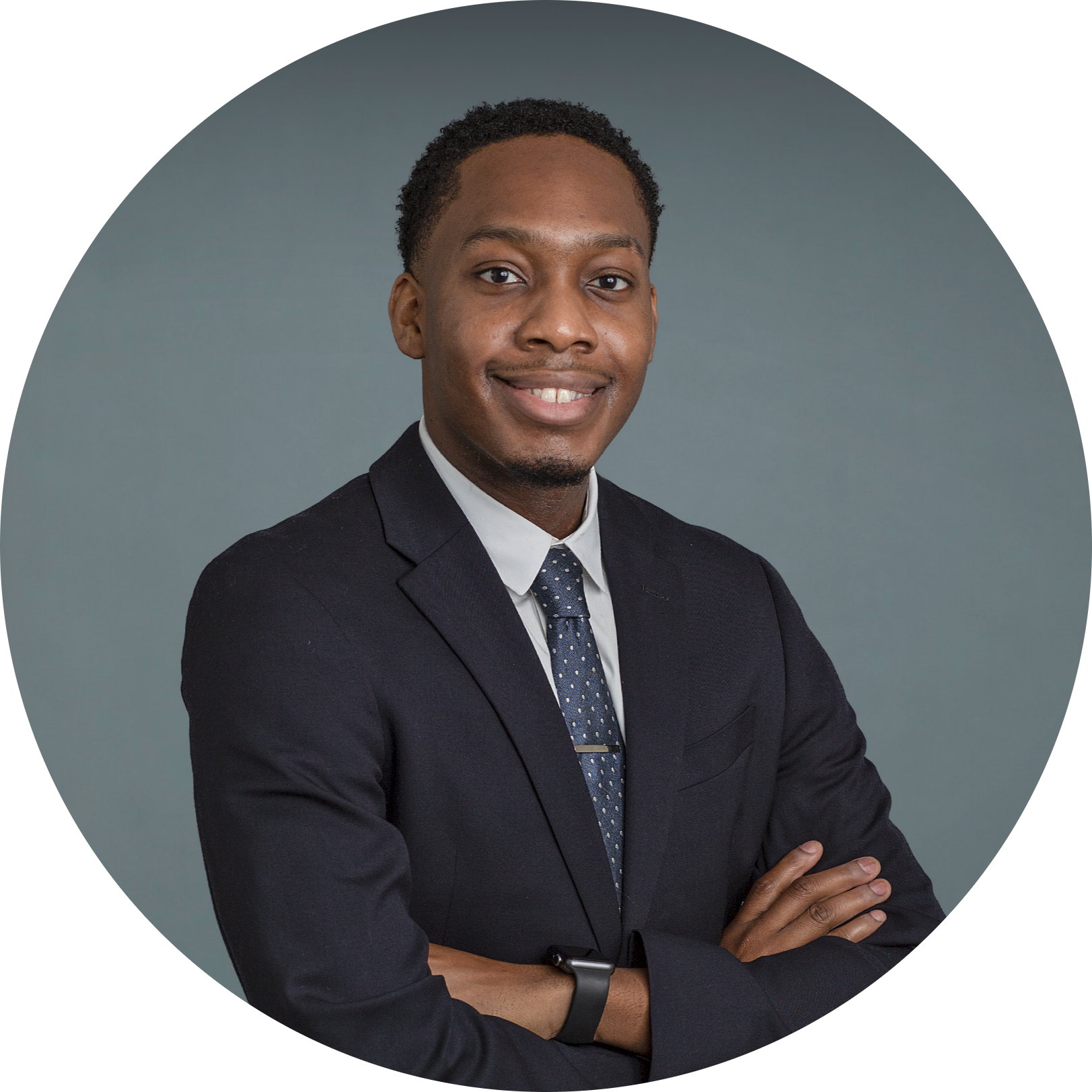
Prince Adotama, MD, FAAD
Assistant Professor of Dermatology
Director of Health Equity and Inclusion, Dept of Dermatology
Assistant Program Director, Dept of Dermatology
Co-Founder Skin of Color Section
Ronald O. Perelman Department of Dermatology
New York University Grossman School Of Medicine

Crystal Aguh, MD, FAAD
Associate Professor
Director, Ethnic Skin Program
Director, Ethnic Skin Fellowship
Department of Dermatology
Johns Hopkins School of Medicine
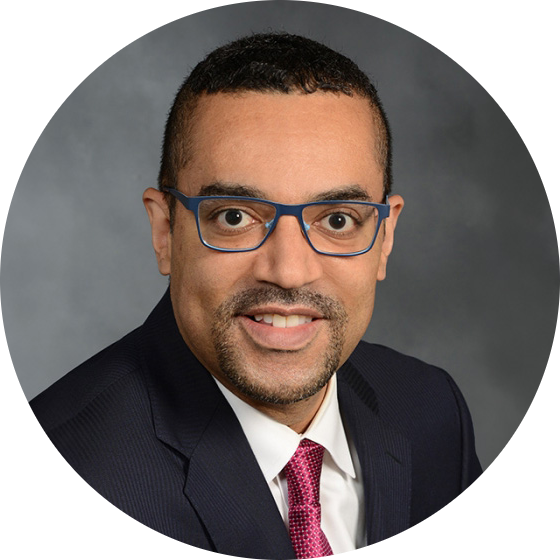
Andrew F. Alexis, MD, MPH, FAAD
Vice-Chair for Diversity and Inclusion, Dept of Dermatology
Professor of Clinical Dermatology
Weill Cornell Medical Center
President, Skin of Color Society (2023–2024)
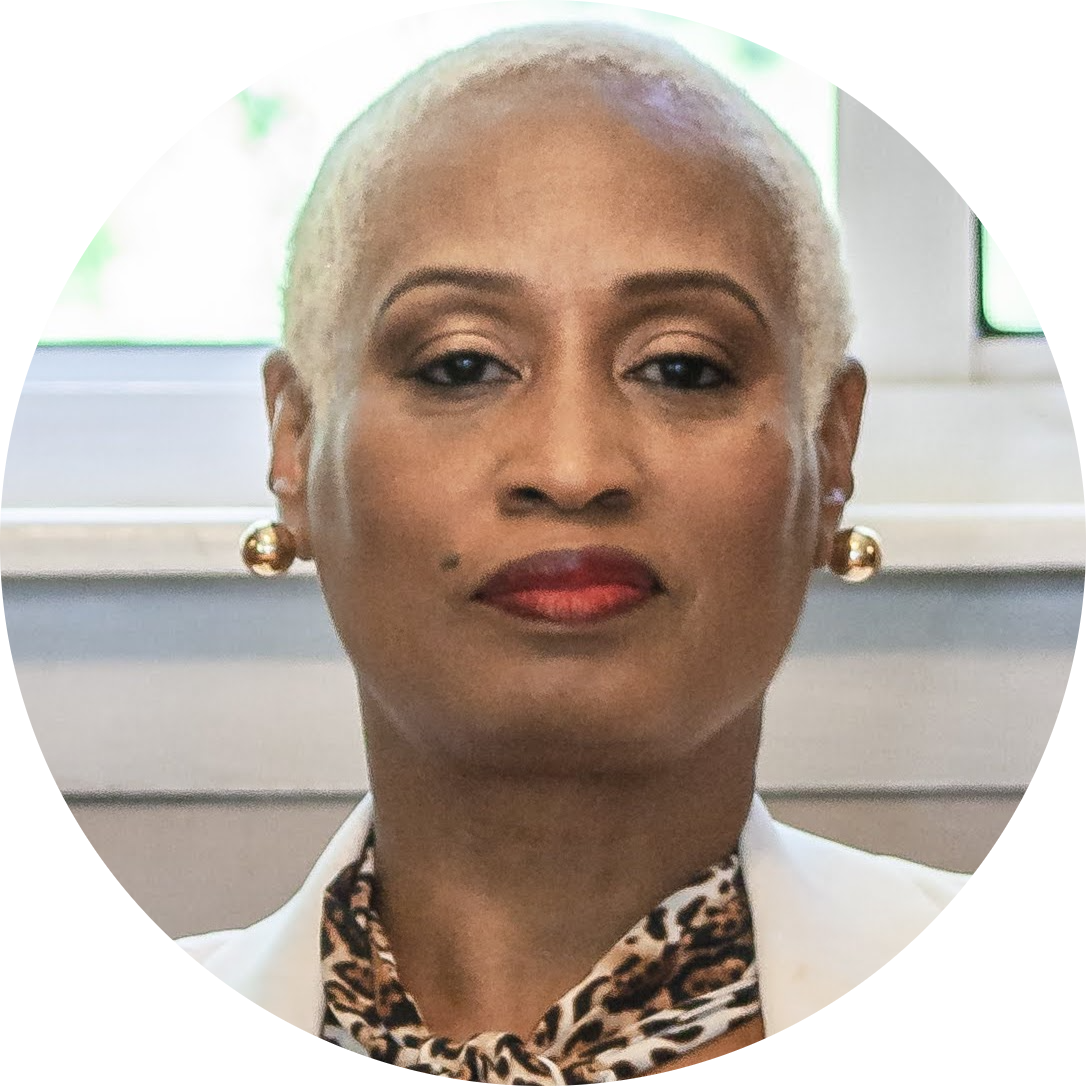
Donna Atherton, EdD, CLC, MSW
Founder, CMO International Association of Hidrandenitis Suppurativa Network, Inc.

Jarrett Brown
Jarrett Speaks
Advisory Board Member, Beautifully Unblemished Vitiligo Support Group
Member, Advocacy Committee, Global Vitiligo Foundation

Angel S. Byrd, MD, PhD
Associate Professor
Department of Dermatology
Howard University College of Medicine

Valerie D. Callender, MD, FAAD
Professor of Dermatology, Howard University College of Medicine
Founder & Senior Medical Director, Callender Center for Clinical Research, LLC
SOCS Past President & Co-Chair of Meeting the Challenge in Research Committee
Seemal R. Desai, MD, FAAD
President, American Academy of Dermatology
Founder & Medical Director, Innovative Dermatology
Clinical Assistant Professor, Department of Dermatology
University of Texas Southwestern Medical Center

Nada Elbuluk, MD, MSc, FAAD
Associate Professor of Clinical Dermatology
Founding Director, Skin of Color and Pigmentary Disorders Program
Founding Director, Dermatology Culture and Engagement Program
University of Southern California, Department of Dermatology
President, Skin of Color Society
Cheri Frey, MD, FAAD
Assistant Professor, Department of Dermatology
Howard University
Chair, National Medical Association, Dermatology Section
Amit Garg, MD, FAAD
Professor, Institute of Health System Science, Feinstein Institutes for Medical Research
Professor and Founding Chair, Dermatology, Donald and Barbara Zucker School of Medicine at Hofstra/Northwell
Senior Vice President, Dermatology Service Line, Northwell Health

Valerie M. Harvey, MD, MPH, FAAD
Co-Director, Skin of Color Research Institute, Hampton University
SOCS Past President &
Co-Chair of Meeting the Challenge in Research Committee

Candrice R. Heath, MD, FAAD
Associate Professor
Howard University College of Medicine, Department of Dermatology
Jared Jagdeo, MD, MS
Associate Professor
Director of the Skin of Color Center
Director of the Laser, Aesthetics and Body Institute
Director of the Center for Photomedicine

Tarannum Jaleel, MD, MHSc, FAAD
Assistant Professor, Duke Department of Dermatology
Director, Duke Dermatology Sponsored Clinical Trials Education

Elizabeth Kiracofe, MD, FAAD
Board-Certified Dermatologist
Airia Comprehensive Dermatology, Founder

Jenna Lester, MD, FAAD
Associate Professor
Director, Skin of Color Program
Department of Dermatology
Watson Faculty Scholar
University of California San Francisco

Markham C. Luke, MD, PhD, FAAD
Office of Generic Drugs
Food and Drug Administration, HHS
Tiffany Mayo, MD, FAAD
Associate Professor, Dermatology
Director of Clinical Research Unit
University of Alabama at Birmingham

Amy J. McMichael, MD, FAAD
Professor of Dermatology
Wake Forest University School of Medicine

Hope Mitchell, MD, FAAD
Board-Certified Dermatologist
Founder & CEO Mitchell Dermatology

Mya L. Roberson, MSPH, PhD
Assistant Professor of Health Policy and Management
UNC Chapel Hill Gillings School of Global Public Health
Member, Cancer Prevention and Control Program
Kanade Shinkai, MD, PhD, FAAD
Professor of Clinical Dermatology
University of California San Francisco Department of Dermatology, School of Medicine
Editor-in-Chief, JAMA Dermatology

Hema Sundaram, MD, FAAD
Founder, Sundaram Dermatology, Cosmetic & Laser Surgery
Honorary Senior Lecturer, School of Biological Sciences,
University of Manchester, United Kingdom

Junko Takeshita, MD, PhD, MSCE, FAAD
Assistant Professor, Department of Dermatology, Department of Biostatistics, Epidemiology and Informatics, Perelman School of Medicine at the University of Pennsylvania

Susan C. Taylor, MD, FAAD
Bernett Johnson Endowed Professor of Dermatology, Department of Dermatology
Perelman School of Medicine, University of Pennsylvania
President, American Academy of Dermatology
Founder, Skin of Color Society
Jonathan S. Weiss, MD, FAAD
Adjunct Assistant Clinical Professor
Emory University School of Medicine, Department of Dermatology
President and Co-managing Partner
Georgia Dermatology Partners
Clinical Pharmacology Researcher
Gwinnett Clinical Research Center
Victoria P. Werth, MD, FAAD
Chief, Dermatology, Philadelphia V.A. Hospital
Professor of Dermatology at the Hospital of the University of Pennsylvania
Professor of Dermatology at the Hospital of the University of Pennsylvania and the Veteran's Administration Medical Center
Division Of Dermatology, University of Pennsylvania Health System.

Jane Yoo, MD, MPP, FAAD
Founder, Clinical Research Center of New York
Clinical Assistant Professor of Dermatology
Icahn School of Medicine at Mount Sinai
Hotel Information
The Mayflower Hotel, Autograph Collection
1127 Connecticut Ave NW
Washington, DC 20036, USA
Meeting Room: District Ballroom
Welcome Reception: Mezzanine
Industry Panel: Insights from Industry Members: Challenges, Outcomes, and Future Directions
About: Join us for a dynamic, moderator-led conversation exploring key issues in recruitment and retention as well as trial design and outcome measures in dermatology research. Guided by Dr. Jonathan S. Weiss, panelists will respond to pre-selected questions designed to surface practical insights, emerging challenges, and opportunities for advancing clinical research. Time permitting, the session will conclude with an open audience Q&A.
Date & Time: Saturday, December 6, 2025, 1:30 PM - 2:45 PM, District Ballroom
Panelists:

Theodore J. Alkousakis, MD, FAAD
Medical Director, Dermatology Therapeutic Area,
Immunology, US Medical Affairs
J&J Innovative Medicine

Maria José Rueda Cadena, MD
Assoc. VP, Head of Dermatology &
Allergy Global/US Medical Affairs,
Immunology Business Unit
Eli Lilly & Company


Varinder Punia, MD
Medical Director, US Medical Affairs – Dermatology,
Atopic Dermatitis and Dermatology Pipeline
AbbVie



LaShell Robinson
Executive Director,
Head of Global Feasibility and Trial Equity;
Clinical Site Startup & Engagement
Takeda
We sincerely thank our sponsors for their invaluable support of the 2025 SOCS Meeting the Challenge Summit. Your contributions play a vital role in the success of this event and our ongoing efforts to advance innovation, collaboration, and excellence in dermatology.
Champion:

Ally:


Partner:

Friend:





Interested in becoming a sponsor and joining our industry panel?
View our sponsorship prospectus linked below.
Contact: Kimberly Miller, Executive Director at kmiller@skinofcolorsociety.org
SOCS Meeting the Challenge in Research Resident Travel Grant
We are thrilled to announce the ten recipients of the 2025 SOCS Meeting the Challenge in Research Resident Travel Grants. This initiative supports dermatology residents by awarding $1,000 USD for travel, lodging, and meals associated with the upcoming Summit on December 5-6, 2025 in Washington, D.C.
2025 Meeting the Challenge in Research Resident Travel Grant Recipients
Antara Afrin, MD - Yale University
Jamaljé Rohnquist Bassue, MD - Tulane University School of Medicine
Shakira Brathwaite, MD, MSc - University of Toronto
Stafford G. Brown III, MD, MBA, MS - Washington University in St. Louis
Tammy González, MD, PhD - University of Miami
Shaveonte Graham, MD - Wayne State University
Victoria S. Humphrey, MD - Harvard Combined Dermatology Residency Training Program
Alexander Jafari, MD, MPH - The University of Texas Health Science Center at Houston
Justin Jia, MD, MS - Harvard Medical School
Rishab Revankar, MD - University of Virginia
Here’s what some of this year’s travel grant recipients shared with us about what this support and their participation in the Summit mean to them:
“As a first-generation physician and a first-generation American, financial limitations have often made it difficult to fully engage with the dermatology community and attend key networking events. Receiving this travel grant from the Skin of Color Society is not only a generous gesture, it is a powerful vote of confidence that reminds me I belong in these spaces regardless of my background.”
—Dr. Jamaljé Bassue
“Thanks to the Resident Travel Grant, I can attend the Meeting the Challenge Summit and engage directly in shaping how dermatology clinical trials include patient voices and broader outcome measures. I look forward to this unique opportunity to turn commitment into progress, while learning from colleagues across the field!"
—Dr. Tammy González
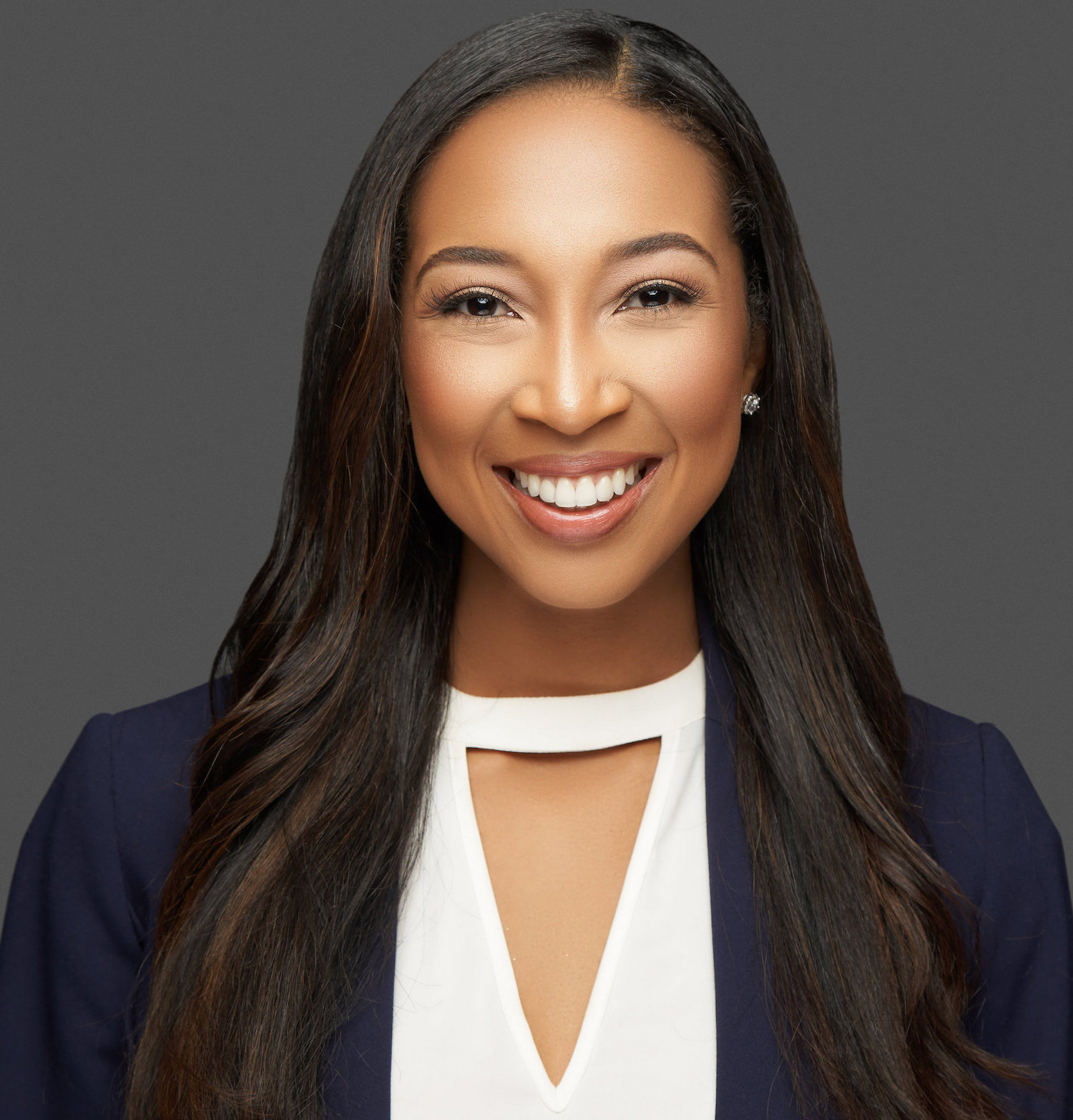
"As an ASDS Cosmetic Dermatologic Surgery Fellow, I lead our practice's clinical trials department. I am deeply honored to attend the 2025 SOCS Meeting the Challenge Summit, as this summit presents a valuable opportunity to enhance my knowledge of best practices in broadening clinical trial representation—an essential step toward driving more equitable and inclusive research within our community."
—Dr. Victoria S. Humphrey
"For many of us, research is an extension of advocacy. I am so excited to participate in the 2025 SOCS Meeting the Challenge Summit. The resident travel grant will allow me to engage with and learn from like-minded and dedicated faculty and peers working on improving research inclusivity and health outcomes of underserved communities within dermatology. I am especially eager to discuss and learn how we can improve inclusivity within patient-reported outcome measures, as these measures are often used in both research studies and clinical practice."
—Dr. Justin Jia
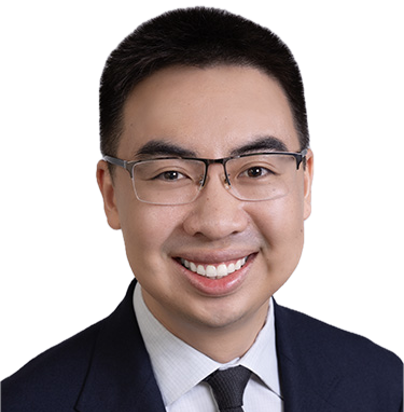
As our third Meeting the Challenge Summit since the initiative’s inception in 2022, and with 26 overall Resident Travel Grants awarded, this year’s program focuses on Advancing Dermatology in Clinical Trials: Expanding Outcome Measures. This meeting will provide stakeholders a valuable opportunity to share and enhance their knowledge, exchange information on broadening clinical trial representation, and engage in networking and collaboration.
Meeting the Challenge in Research Committee

Valerie D. Callender, MD, FAAD

Valerie M. Harvey, MD, MPH, FAAD
Carole Bitar, MD, FAAD
Stafford G. Brown, III, MD, MBA, MS
Cheryl Marie Burgess, MD, FAAD
Angel Byrd, MD, PhD
Alexandra P. Charrow, MD, FAAD
Seemal R. Desai, MD, FAAD
Candrice R. Heath, MD, FAAD
Tarannum Jaleel, MD
Amy McMichael, MD, FAAD
Chidubem A. V. Okeke, MD
Kanade Shinkai, MD, PhD
Hema Sundaram, MD, FAAD
Junko Takeshita, MD, PhD, MSCE, FAAD
Jonathan S. Weiss, MD, FAAD
Jane Yoo, MD, FAAD
In collaboration with
SOCS Advocacy Committee
Prince Adotama, MD, FAAD - Co-chair
Elizabeth Kiracofe, MD, FAAD - Co-chair
The CHORD COUSIN Collaboration

Dermatology Journal Articles
Deriving from the work of the SOCS Meeting the Challenge in Research Committee, formerly the Diversity in Dermatology Clinical Trials Task Force (DiDCT):
Rethinking the use of population descriptors in dermatology trials and beyond:
disentangling race and ethnicity from skin color
- Byeon YJJ, Islamaj R, Yeganova L et al (2021) Evolving use of ancestry, ethnicity, and race in genetics research – a survey spanning seven decades. Am J Hum Genet 108:2215–2223 - DOI - PubMed - PMC
- Mauro M, Allen DS, Dauda B, Molina SJ, Neale BM, Lewis ACF (2022) A scoping review of guidelines for the use of race, ethnicity, and ancestry reveals widespread consensus but also points of ongoing disagreement. Am J Hum Genet 109:2110–2125 - DOI - PubMed - PMC
- Flanagin A, Frey T, Christiansen SL (2021) Updated guidance on the reporting of race and ethnicity in medical and science journals. JAMA 326:621–627 - DOI - PubMed
- A consensus study report of The National Academies of Sciences, Engineering and Medicine (2023) Using population descriptors in genetics and genomics research: a new framework for an evolving field. National Academies, Washington, DC. https://doi.org/10.17226/26902) - DOI
- A consensus study report of The National Academies of Sciences (2024) Engineering and medicine. Rethinking race and ethnicity in biomedical research. National Academies, Washington, DC. https://doi.org/10.17226/27913) - DOI
- Cerdeña JP, Plaisime MV, Tsai J (2020) From race-based to race-conscious medicine: how anti-racist uprisings call Us to act. Lancet 396:1125–1128 - DOI - PubMed - PMC
- Vyas DA, Eisenstein LG, Jones DS (2020) Hidden in plain sight – reconsidering the use of race correction in clinical algorithms. N Engl J Med 383:874–882 - DOI - PubMed
- Sadeghi NB, Adamson AS (2024) The problematic legacy of skin-thickness measurement in race-based dermatology research. JAMA Dermatol 160:143–144 - DOI - PubMed
- Hoffman KM, Trawalter S, Axt JR, Oliver MN (2016) Racial bias in pain assessment and treatment recommendations, and false beliefs about biological differences between Blacks and Whites. Proc Natl Acad Sci U S A 113:4296–4301 - DOI - PubMed - PMC
- A consensus study report of The National Academies of Sciences, Engineering and Medicine (2022) Improving representation in clinical trials and research: Building research equity for women and underrepresented groups. National Academies, Washington, DC. https://doi.org/10.17226/26479) - DOI
- Okeke CAV, Perry JD, Simmonds FC et al (2022) Clinical trials and skin of color: the example of hidradenitis suppurativa. Dermatology 238:180–184 - DOI - PubMed
- Jablonski NG (2021) Skin color and race. Am J Phys Anthropol 175:437–447 - DOI - PubMed
- Alaluf S, Heinrich U, Stahl W, Tronnier H, Wiseman S (2002) Dietary carotenoids contribute to normal human skin color and UV photosensitivity. J Nutr 132:399–403 - DOI - PubMed
- Taylor SC (2002) Skin of color: biology, structure, function, and implications for dermatologic disease. J Am Acad Dermatol 46:S41–S62 - DOI - PubMed
- Harvey VM, Alexis A, Okeke CAV et al (2024) Integrating skin color assessments into clinical practice and research: a review of current approaches. J Am Acad Dermatol 91:1189–1198 - DOI - PubMed
- Goon P, Banfield C, Bello O, Levell NJ (2021) Skin cancers in skin types IV–VI: does the Fitzpatrick scale give a false sense of security? Skin Health Dis 1:e40 - DOI - PubMed - PMC
- Chan JL, Ehrlich A, Lawrence RC, Moshell AN, Turner ML, Kimball AB (2005) Assessing the role of race in quantitative measures of skin pigmentation and clinical assessments of photosensitivity. J Am Acad Dermatol 52:609–615 - DOI - PubMed
- Ramamoorthy A, Pacanowski MA, Bull J, Zhang L (2015) Racial/ethnic differences in drug disposition and response: review of recently approved drugs. Clin Pharmacol Ther 97:263–273 - DOI - PubMed
- Mineroff J, Nguyen JK, Jagdeo J (2023) Racial and ethnic underrepresentation in dermatology clinical trials. J Am Acad Dermatol 89:293–300 - DOI - PubMed
- Sjoding MW, Dickson RP, Iwashyna TJ, Gay SE, Valley TS (2020) Racial bias in pulse oximetry measurement. N Engl J Med 383:2477–2478 - DOI - PubMed - PMC
- Pulse oximeters – premarket notification submissions [510(k)s]: guidance for industry and Food and Drug Administration staff. Rockville, MD: Food and Drug Administration, March 4, 2013. ( https://www.fda.gov/regulatory-information/search-fda-guidance-documents...)
- Chen V, Akhtar S, Zheng C, Kumaresan V, Nouri K (2022) Assessment of changes in diversity in dermatology clinical trials between 2010–2015 and 2015–2020: a systematic review. JAMA Dermatol 158:288–292 - DOI - PubMed - PMC
- Ng MY, Youssef A, Miner AS et al (2023) Perceptions of data set experts on important characteristics of health data sets ready for machine learning: a qualitative study. JAMA Netw Open 6:e2345892 - DOI - PubMed - PMC
- Wen D, Khan SM, Ji Xu A et al (2022) Characteristics of publicly available skin cancer image datasets: a systematic review. Lancet Digit Health 4:e64–e74 - DOI - PubMed
- Kamulegeya L, Bwanika J, Okello M et al (2023) Using artificial intelligence on dermatology conditions in Uganda: a case for diversity in training data sets for machine learning. Afr Health Sci 23:753–763 - DOI - PubMed - PMC
- Benčević M, Habijan M, Galić I, Babin D, Pižurica A (2024) Understanding skin color bias in deep learning-based skin lesion segmentation. Comput Methods Programs Biomed 245:108044 - DOI - PubMed
- Perreira KM, Wassink J, Harris KM (2019) Beyond race/ethnicity: skin color, gender, and the health of young adults in the united States. Popul Res Policy Rev 38:271–299 - DOI - PubMed
- Bissonnette R, Jankicevic J, Saint-Cyr Proulx E, Maari C (2023) Ethnicity, race and skin color: challenges and opportunities for atopic dermatitis clinical trials. J Clin Med 12:3805 - DOI - PubMed - PMC
- Borrell LN, Elhawary JR, Fuentes-Afflick E et al (2021) Race and genetic ancestry in medicine – a time for reckoning with racism. N Engl J Med 384:474–480 - DOI - PubMed - PMC
- FDA guidance provides new details on diversity action plans required for certain clinical studies Silver Spring, MD: Food and Drug Administration, June 26, 2024. ( https://www.fda.gov/news-events/press-announcements/fda-guidance-provide...)
- Chung HJ, Jablon K, Dawkins O, Richardson M, Ho JD (2023) The frequency of reporting race, ethnicity, and skin phototypes in dermatology case reports. JAAD Int 12:39–41 - DOI - PubMed - PMC
Integrating skin color assessments into clinical practice and research:
A review of current approaches, JAAD, 2024
The Skin of Color Society’s Meeting the Challenge Summit, 2022
Diversity in Dermatology Clinical Trials Proceedings, JAMA, May 24, 2023